


Posts in Category: Harmony Animal Hospital News & Events
Understanding the Risks: Are Cherry Blossoms Harmful to Dogs?

As a conscientious pet owner, safeguarding your furry friend from potential dangers is always a priority. With Spring upon us, the question often arises: “Are cherry blossoms harmful to dogs?” In short, yes, cherry blossoms, along with other parts of the cherry tree, can indeed pose risks to dogs. Let’s delve into this topic further to gain a comprehensive understanding of the hazards and proactive measures you can implement to protect your canine companion.
Unveiling the Hazards of Cherry Blossoms for Dogs
Beyond their captivating beauty, cherry blossoms harbor hidden perils for our four-legged friends. The cherry tree, encompassing its blossoms, leaves, and seeds, contains cyanogenic glycosides. These compounds have the potential to generate cyanide upon metabolism, leading to cyanide poisoning in dogs. While all components of the tree harbor these harmful compounds, the leaves and seeds contain the highest concentrations.
Recognizing Symptoms of Cherry Blossom Poisoning
If your dog consumes cherry blossoms or other parts of the cherry tree, they may exhibit a spectrum of symptoms, varying based on the quantity ingested and your dog’s size. Early indications of cyanide poisoning often manifest as gastrointestinal distress, including vomiting, diarrhea, and abdominal discomfort. Additionally, symptoms such as muscle spasms, excessive panting, difficulty breathing, and reddened gums may ensue, signaling inadequate oxygen delivery to the body’s tissues.
As poisoning progresses, more severe manifestations such as dilated pupils, escalated heart rate, and shock may become evident. In extreme cases, ingestion of cherry blossoms can precipitate seizures, coma, and even fatalities. Hence, prompt veterinary intervention is imperative if you suspect your dog has ingested any part of a cherry tree.
Immediate Actions to Take in Case of Ingestion
Swift action is paramount when dealing with potential cherry blossom poisoning. If ingestion is suspected, promptly remove any residual plant material from your dog’s mouth, if feasible. Immediately contact an emergency veterinarian. Refrain from inducing vomiting unless directed by a professional, as this could exacerbate the situation.
While en route to the emergency facility, it’s advisable to reach out to a poison control hotline to initiate a case number for the attending medical team. This facilitates the provision of optimal and current care for your pet. Contact Pet Poison Helpline at (855) 764-7661 or the ASPCA Animal Poison Control Center at (888) 426-4435. Provide the assigned case number and callback details to the medical team upon arrival.
Preventing Cherry Blossom Poisoning in Dogs
Prevention remains the cornerstone in mitigating the risk of cherry blossom poisoning in dogs. During cherry blossom season, exercise vigilant supervision when your dog is outdoors. When walking near cherry trees, keep your dog leashed to deter them from consuming fallen blossoms or leaves.
Regularly inspect your yard for fallen cherry blossoms or leaves, promptly removing them. If cherry trees adorn your premises, consider erecting barriers or establishing a designated play area for your dog devoid of potentially harmful flora.
Fostering a Safe Environment during Cherry Blossom Season
Ensuring a safe environment for your dog extends beyond physical modifications to your yard. Training your dog to steer clear of certain areas or refrain from ingesting unknown substances can be advantageous. For dogs prone to scavenging, discussing basket muzzle training with your primary care veterinarian may reduce ingestion risks.
Moreover, educating yourself and your household about the potential hazards of cherry blossoms and other toxic plants can significantly mitigate accidental ingestions. Remember, your dog depends on you for their safety, underscoring the importance of maintaining a secure environment.
While cherry blossoms exude allure, they harbor substantial risks for our canine companions. By familiarizing yourself with the dangers and implementing preventive measures, you can ensure a safe and joyous cherry blossom season for your dog. Remember, if any concerns arise or if your dog exhibits signs of illness, promptly reach out to your local veterinarian or veterinary emergency hospital.
UNDERSTANDING RABIES
A Serious and Deadly Threat
It’s easy to get complacent about a potential problem that never seems to materialize into a real threat. Now that threat is very real in Palm Beach County. The newly confirmed case of rabies has been discovered recently in our own backyard of Jupiter, Florida.
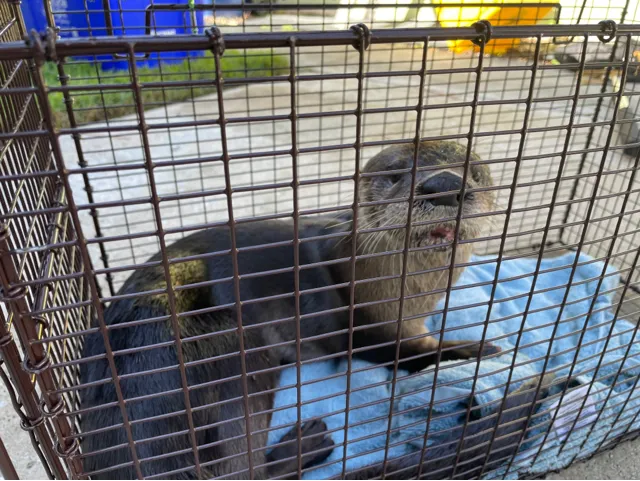
Because of this growing threat, it is tremendously important that pet owners have an appreciation of the significance of rabies to human health and safety. Human exposure is usually from contact with rabid or possible rabid domestic animals. The most common wild species affected by rabies are skunks, bats, raccoons, and foxes. However, this time it was an otter. Because control of rabies is so difficult in wildlife, vaccinating our pets primarily controls rabies.
Rabies is a virus that attacks the central nervous system. It cannot be treated with antibiotics or any other medication. Infection with this virus occurs most commonly when infected saliva from a rabid animal is introduced into an open would or abrasion of either the skin or mucous membranes by a bite or a scratch.
There are two forms of rabies: the furious form, and the paralytic or dumb form. In an early stage of the disease, vague changes in temperament may be observed. Pets that are normally affectionate may hide and shun company; others may become unusually attentive and affectionate. Furious rabies is recognized by restlessness, nervousness, and developing viciousness. The animal often utters strange cries and hoarse howls because of partial paralysis of its vocal cords. The eyes are usually staring because of dilation of the pupils. There does not seem to be any real hydrophobia (fear of water) as there is in man. Convulsive seizures often precede the appearance of incoordination, which is the first sign of the final stage of the disease. Rabies is always fatal.
In the dumb form of rabies, paralysis usually appears first in the muscles of the head and neck. The victim cannot chew its food; it cannot swallow water or does so with difficulty. Its lower jaw hangs; it cannot close its mouth. In trying to examine the animal’s mouth for an object that is not there, the animal’s human friends often expose themselves to the disease by scratching their hands on its teeth or getting its saliva into a cut on the hands.
In cats the disease generally takes the furious form and the signs are similar to those in dogs. Rabid cats are very dangerous animals for humans because of their viciousness and quickness of action.
All warm-blooded animals are vulnerable to infection by rabies. This includes livestock, which can transmit the virus to unsuspecting owners who attempt to manually relieve an animal that appears “choked”.
The American Veterinary Medical Association does not recommend keeping wildlife as pets. Since no rabies vaccine is licensed for use in wild animals and since there is no evidence that animal rabies vaccines produce acceptable levels of immunity in wild animals, vaccination is not recommended.
It is imperative that you be sure that your pet’s rabies vaccination is up to date. In most cases, this should be done yearly. This is essential for the protection and the control of rabies. Cats, in particular, are often overlooked when rabies vaccination is considered. It is also a law that all companion animals be vaccinated. Different public health policies have been established to deal with various kinds of exposure. These range from quarantine to immediate euthanasia and depend on the vaccination status of the animal. This is another good reason to be certain pets are vaccinated regularly.
If you see any animal acting strangely or aggressively you should stay away from the animal and contact Palm Beach County Animal Care and Control at 561-233-1200. For wildlife concerns contact the Florida Game and Freshwater Fish Commission via the “FWC Wildlife Alert” app. Download the app onto Apple or Android smartphones or tablets, text 847411 with the keyword “FWC” or call the Wildlife Alert Hotline at 888-404-3922.
Call your veterinarian today to check on the status of your pet’s vaccines or make an appointment for vaccination as soon as possible.
When Should We Say Goodbye?
Writing about the quality of life of a pet and when it’s time to let them go can be a difficult and emotional topic. However, it’s important to address this issue, as it’s an unfortunate reality that pet owners must face.
When it comes to the quality of life of your pet, there are several factors to consider. These include their ability to eat and drink, mobility, comfort, and overall enjoyment of life. As pets age, they may develop health conditions that can significantly impact their quality of life, such as arthritis, blindness, or cognitive decline.
It’s important to monitor your pet’s behavior and overall well-being regularly. Some signs that your pet may be experiencing a decreased quality of life include a lack of interest in activities they once enjoyed, difficulty walking or standing, loss of appetite, and increased lethargy.
At some point, you may need to consider making the difficult decision to let your pet go. This can be a challenging and emotional decision, but it’s important to prioritize your pet’s well-being and quality of life. Some signs that it may be time to consider euthanasia include your pet experiencing chronic pain, difficulty breathing, or an inability to eat or drink. You should also consult with your veterinarian, who can help you make an informed decision based on your pet’s individual circumstances.
Remember that letting your pet go peacefully and painlessly is an act of love and kindness. It’s never easy, but it’s important to remember that you provided your pet with a loving and caring home throughout their life and that you’re making the decision to prevent further suffering.